Tree Planting Houston Experts
In Houston, qualified tree specialists provide certified professionals who emphasize health, safety, and environmental stewardship. They utilize comprehensive understanding of tree biology, pest control, and sustainable techniques to ensure your trees flourish. Their specialized trimming and health maintenance approaches are tailored for ideal growth and resilience. When examining structural soundness or employing eco-friendly pest strategies, they offer superior maintenance. Learn about the qualifications and advantages that protect your landscape's health and aesthetic appeal.
Main Insights
- Professional arborists in Houston specialize in caring for local tree varieties
- Regular tree upkeep improves real estate worth by delivering improved appearance and tree vitality.
- Pruning and disease management techniques promote robust growth and reduced pest risks.
- Environmentally conscious pest control methods minimize impact on nature and promote tree vitality.
- Reliable tree care services incorporate safety practices and thorough environmental awareness.
The Value of Expert Tree Care
While many property owners might want to manage their own tree care, the expertise of professional arborists is crucial for ensuring trees remain healthy and secure. You may not understand how sophisticated tree care can be, requiring an in-depth knowledge of soil science, environmental conditions, and biology. Professional arborists have the expertise to detect diseases and pest infestations that might damage your trees. Their specialized expertise makes certain that mulching, fertilization, and pruning are performed with precision, encouraging optimal growth and longevity. Arborists utilize professional tools and techniques, decreasing the risk of personal injury or damage to the tree. Entrusting professionals with tree care facilitates a thorough assessment of structural soundness, making sure your trees stay healthy and safe in the urban environment.
Important Benefits of Tree Upkeep
Through maintaining regular tree upkeep, you strengthen the overall health of your trees, promoting vigorous growth and minimizing disease susceptibility. This active management not only ensures a healthy landscape but also substantially enhances your property's resale value. Regular upkeep, including cutting and monitoring, produces healthier trees that aesthetically and financially enhance your surroundings.
Improved Tree Wellness
Regular tree maintenance is essential for enhancing tree health, as it includes essential techniques and practices that ensure trees thrive in their environment. First, focus on soil health, which establishes the foundation for healthy tree growth. Conduct soil testing to determine nutrient deficiencies and enhance with organic matter to encourage root development. Appropriate water management is just as important, as erratic watering can weaken trees, making them prone to diseases. Utilize drip irrigation systems to provide precise moisture levels, ensuring trees receive proper hydration without over-saturation. Furthermore, timely pruning removes dead or diseased branches, facilitating airflow and minimizing pest infestation risks. By integrating these practices, you'll significantly improve your trees' resilience, guaranteeing they thrive in any Houston climate conditions.
Improved Property Value
Investing in routine tree care greatly increases your property's value by elevating its visual charm and ensuring the longevity of its natural features. Healthy, maintained trees improve curb appeal, establishing a pleasant atmosphere that attracts potential purchasers. Well-maintained trees deliver shade, lower utility bills, and boost air cleanliness, increasing your property's appeal.
Consistent tree care and trimming reduces overgrowth and potential storm damage, while maintaining the structural integrity of your trees. This proactive approach demonstrates the value of landscape maintenance in property worth. By managing safety concerns and promoting tree health, you simultaneously maintain and improve your home's worth. Engaging expert tree care ensures that your trees remain strong and beautiful, thereby maximizing your real estate investment returns.
Advanced Techniques in Tree Pruning
While applying advanced tree pruning methods, it's vital to recognize the substantial benefits of proper pruning, such as promoting healthy growth and preventing disease. You'll need to have specialized tools such as bypass pruners and pole saws to guarantee precise cuts and minimize damage. Mastering these techniques not merely improves the visual appearance of your trees but also extends their lifespan by fostering a strong structure.
Advantages of Correct Tree Care
Although frequently neglected, effective pruning is crucial for preserving tree health and structural integrity, using professional approaches to guarantee ideal results. Through the use of accurate pruning methods, you can enhance a tree's appearance and health. Season-based maintenance, customized for different tree varieties, optimizes growth and minimizes disease risks. Winter pruning encourages robust spring growth, while warm-season pruning manages form and dimensions, limiting overgrowth.
Proper pruning promotes sturdier tree limbs, enhancing storm resilience and minimizing damage potential. It also enables improved solar access and airflow, which is essential for healthy growth and fungal control. Removing damaged or unhealthy limbs inhibits rot from advancing, safeguarding the tree's long-term vitality. Consequently, properly performed pruning improves landscape value and promotes a healthy, flourishing landscape.
Tools for Effective Pruning
To ensure maximum effectiveness with proper pruning, having the right tools is paramount. Choose bypass pruners for clean cuts on small stems, providing accuracy in your pruning methods. Loppers are ideal for moderate limbs, offering the power needed for thicker branches. For heavier branches, a pruning saw is essential; its precise serrated blade effectively handles woody material. Anvil pruners, though less precise, are effective for trimming dead wood.
Make sure to include pole pruners, which help you reach high branches, reducing the use of ladders. All of these tools have an important purpose, supporting successful tree maintenance. Routine upkeep of your equipment, like sharpening blades and cleaning, ensures they work at their best, protecting the tree's vitality and form.
Tree Disease Recognition and Treatment
Quick identification and treatment of tree diseases can often make the difference in preserving or losing an important tree. Initially check leaves, bark, and roots for signs like abnormal markings, off-coloring, or withering. You might encounter fungal infections, bacterial blights, or viral diseases. When identified, select appropriate treatment methods for the identified issue. For fungal diseases, think about utilizing fungicides, remembering to follow application directions precisely. Bacterial problems often necessitate cutting away diseased sections to prevent transmission. Cases of viral infection generally demand thorough intervention, sometimes including tree elimination. Using these approaches can enhance your tree's wellness and survival. Frequent observation helps catch concerns early, improving treatment outcomes.
Pest Management Strategies for Healthy Trees
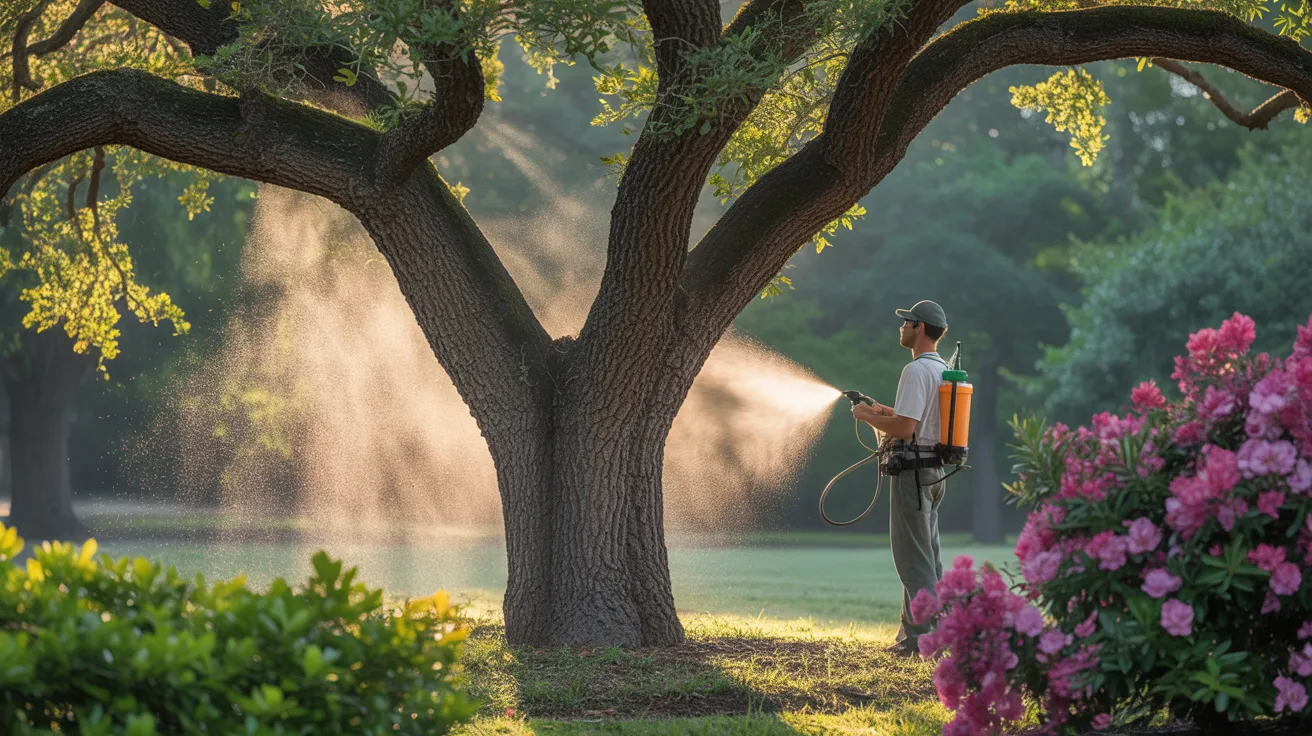
Following treatment of tree diseases, it's essential to combat another significant threat to tree health: pests. Start by conducting accurate pest identification. Quick identification helps you to pick the most effective control measures. Examine leaves, bark, and branches for signs of borers, aphids, or caterpillars. Employ magnification tools if required to identify minute infestations. Once detected, consider organic treatments as a eco-friendly approach. Diatomaceous earth, neem oil, and insecticidal soaps offer reliable control without endangering beneficial insects or the environment. Regular application of these treatments can hold pest populations in check. Make sure to monitor tree health periodically. Strong trees are more resistant to pest infestations, so practice proper watering, mulching, and pruning practices to boost tree resistance against these ongoing threats.
Essential Safety Protocols in Tree Care
Ensuring safety is paramount in tree care services, as it safeguards both workers and property from potential hazards. It's necessary to start with a comprehensive risk assessment to identify possible hazards, such as compromised branches or proximity to power lines. Gear up with protective wear, including protective gear and safety equipment, to boost tree safety during procedures. Make sure to use carefully maintained tools and machinery, evaluating them carefully before each use to eliminate malfunctions. Establish clear communication among team members using hand signals or radios, making sure everyone is informed about ongoing tasks. Implement controlled drop zones to direct falling debris, keeping non-essential personnel and bystanders at a secure perimeter. Maintaining these protocols ensures a protected environment for efficient tree care services.
Green Solutions for Tree Care
Adopting sustainable practices in urban forestry not only enhances safety protocols but also safeguards the long-term health and vibrancy of urban forests. You can achieve this by using environmentally conscious techniques that minimize environmental impact. Begin by applying organic fertilizers, which enhance soil fertility without adding harmful chemicals. These fertilizers deliver nutrients gradually, promoting stable growth and decreasing runoff pollution.
Implementing integrated pest management (IPM) represents a vital eco-friendly technique. IPM prioritizes employing organic solutions and observing to regulate pest numbers, reducing the need for chemical pesticides. Moreover, utilize pruning practices that promote tree health and structural integrity, ensuring minimal waste. By selecting native species, you improve biodiversity and resilience, ensuring your urban forest grows sustainably.
Finding the Ideal Arborist Specialists in Houston
How do you confirm you're selecting the finest tree care professionals in Houston? Initially, check they have certified arborists. These professionals possess thorough knowledge about local tree species and follow industry standards. Check their tree service credentials. A trustworthy company should have insurance, licenses, and certifications from respected organizations, like the International Society of Arboriculture (ISA). Make sure to ask for references and review their past projects. Evaluating their track record ensures reliability and quality. Additionally, evaluate their position get more info on both safety and environmental impact. Professionals should emphasize safe practices while employing sustainable techniques. Lastly, get detailed estimates from multiple providers to evaluate both cost and scope. By implementing these recommendations, you'll ensure exceptional care for your trees.
Questions & Answers
How Frequently Should You Water Trees in Houston's Weather?
Given Houston's weather, it's important to focus on watering trees deeply rather than often. Generally, plan to water weekly, adapting to weather conditions like precipitation and heat. When conditions are hot and dry, water twice per week. Verify water reaches the tree's root system, generally located 12-24 inches deep. Use a slow soaking technique to avoid excess runoff and support root expansion. Keep in mind overwatering is as harmful as underwatering.
Which Tree Species Thrive in Houston?
Keep in mind that 70% of Houston's precipitation falls between May and October. We recommend planting indigenous plants including the Live Oak or Bald Cypress, which thrive in this climate. These trees are drought-tolerant, capable of weathering Houston's dry spells. Native species are naturally equipped for the local ecosystem, reducing the need for additional water and maintenance. Their durability enables them to thrive, delivering shade and beauty to your landscape year-round.
What Is the Best Time of Year for Tree Planting in Houston?
Fall is the optimal time for planting trees in Houston, offering optimal planting conditions. You should consider weather conditions like lower temperatures and higher rainfall, which minimize stress on newly planted trees. This time period allows roots to strengthen before the hot summer season starts. By planting in fall, you're ensuring a healthier growth cycle and optimizing your tree's potential to thrive in Houston's weather conditions.
How Do I Recognize a Tree That Needs Emergency Tree Care?
Recognizing a tree that requires emergency care is essential for preservation! Keep alert for telltale symptoms: unusual leaf loss during the height of summer, weakened limbs that look unstable, or a trunk that shows significant damage. These are warning signs of tree distress. Respond quickly, check for root issues, and consult an arborist to protect your valuable tree.
Are Tree Roots a Threat to Home Foundations in Houston?
Without a doubt, tree roots do cause foundation issues in Houston. You can identify tree root damage when roots grow into foundation gaps, applying force to foundation structures. This can cause misaligned doors or windows, and cracks in walls. Houston's clay soil can exacerbate these issues, swelling and shrinking with moisture changes, adding more pressure to foundations. It's essential to monitor tree proximity and get professional help for proper prevention and maintenance approaches.
Final Overview
You've ventured through the world of professional tree care, discovering the skill and wisdom that preserve Houston's trees thriving. With qualified care, your trees stand tall and proud, delivering benefits like beauty and shelter. Expert pruning techniques and diligent disease management maintain they remain vigorous, while pest management solutions shield them from potential dangers. Safety and sustainability are your primary focus. Work with the right professionals, and your landscape will be a reflection of natural beauty and strength.